
March 18, 2026–A most pivotal change in culture happened in our lifetimes. Yet I would bet most of you haven’t recognized it.
This simple conversion changed at a base level how we view and interact in the world. No part of society is untouched by it. Yet in a way we can’t even see it because it is so pervasive.
The change?
Converting from analog to digital.
I’m not talking about the ones and zeroes that lie at the foundation of digital computing. That is true and can be the thesis of another article. The part we don’t always recognize is how parts of society and culture that used to flow in an amorphous state, now exists in discrete packets of information and physical content.
The revelation of the invasion of digital constructs struck me while running our dishwasher. I used to buy liquid dishwashing detergent in bottles. For each load, you could calculate the size and dirtiness, then measure out an appropriate amount of detergent into the dispenser.
Then came “The Rise of the Pods.” No, that is not the title of a B science fiction movie, but a description of the takeover of our kitchens and laundry rooms with packets. Packets for everything. Stores no longer sold bottles of dishwasher detergent. You had to buy a bag of soap pods. It also happened with laundry soap. Why bother with measuring out messy cups of blue liquid? Instead, toss in a pod.
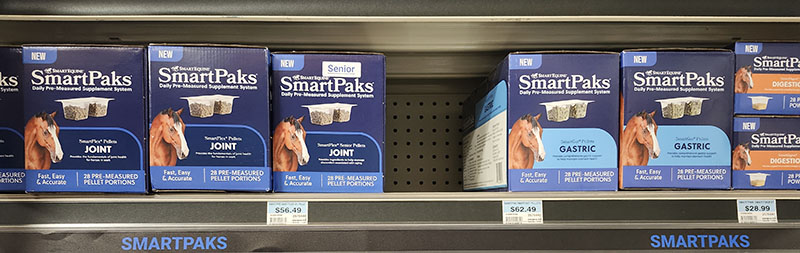
Everything now comes in pre-measured packets and pods.
The trend spilled over into the kitchen. Consider ketchup and all condiments. As with dishwasher and laundry detergent, when you neared the end of the bottle’s contents, you could always add a little water and shake vigorously. This allowed you to milk an “empty” bottle for up to a week’s worth of delicious tomato-y liquid. A lesson handed down from our Depression-era grandparents.
Not so with the pod–or packet–approach. No diluting, no cutting, no squeezing out an extra spurt. When the packet is empty, it’s empty. The packets that arrived in every bag of drive-thru food–ketchup, but mustard, soy sauce, hot sauce, and sweet, sweet honey–are now invading the kitchen.
Coffee
We went from measuring grounds according to taste, to inserting a pod.
Fruit and produce
Every garden product is now sold in containers. Instead of buying a head of cabbage, you pick up a back of slaw, already shredded and including the dressing. Like peas, they have essentially put the vegetables back into their pods.
Tea
Thinking about it, selling products in discrete packets is not a new idea. Consider tea bags. For generations, our forebears dutifully measured out crushed leaves into mesh tea balls to dip into boiling water. Then Thomas Lipton delivered to consumers the outrageous convenience of buying tea in bags. Amazing it took so long for coffee to catch up.
Overall, the move to pods is a benefit to mankind. No one is going to carry a bottle of ketchup in their glove box. And thank goodness for chicken nuggets. No need to slaughter a hen every time you crave buffalo wings.
But with the takeover by the pod mind, there is one corner of the market where pod makers have missed an opportunity–beverages.
While sharing a carbonated beverage the other evening, my wife and I both wished we could purchase drinks in smaller containers than 12 ounces. Why don’t they manufacture 6- or 8-ounce cans? Beers, sodas, wines, any beverage. I’m at the point I would pay a premium for small cans, even realizing I was paying more per ounce. Somehow that makes more sense than opening a half-liter bottle, sipping a cup, then pouring half of it down the drain after it loses its fizz.
What are the repercussions of the move from bulk consumption to pre-measured packets?
It’s just one more thing we let someone else decide for us.