 June 24, 2026–What is real food? I think I have discovered a way to tell. I call it the “Hen Test.”
Many of us have lived through decades of “expert” advice on what Americans should make part of a healthy diet. We all remember the original food pyramid that was hanging on every grease-covered elementary school cafeteria wall. The broad base of the pyramid showed loads of carbohydrates–breads and pastas. At the very peak was a small triangle of meats and fats.
The message of that graphic was supposed to be that we should eats lots of bread, and only small amounts of meat. What’s strange is that in my immature mind, I interpreted it as stuff at the bottom being bad, with the peak containing the elite foods. Turns out, my simple mind was on to something, because later the USDA essentially turned the pyramid upside down, telling us meat was good and bread was bad.
I might have those details wrong, since I never paid much attention and just ate what my body craved. But the point is that those official recommendations drove the diet food market to deliver what the public supposedly liked but could not have. As a result, manufacturers kept coming with waves of alternative food products designed to keep us from getting fat.
You all remember SnackWells, the “no-fat” cookies that contained tons of sugar? Or Olestra, the no-fat fat that had unexpected gastro-intestinal effects.
What followed were more things not made from things they were originally made from:
- “Milk” made from almonds
- “Yogurt” made from soy
- “Meat” made from cloned strands of protein
- Endless aisles filled with fake sweeteners, tapioca pastas, and “hi-protein” candy bars
This is not a recent trend, by the way. Our farm family grew up eating margarine and pasteurized process cheese spreads. And we lived in the middle of the middle west, home of contented cows grazing in fields of alfalfa. Real cream was literally across the fence, but we bought Bluebonnet to spread on mom’s homemade bread.
All of these food alternatives were engineered to fool our taste buds. They largely succeeded. But they’ll never fool the ultimate arbiters of what is real food–the creatures in my back yard.
I accidentally stumbled upon a way to test foods to find out if they were real.
It happened when I had to throw out expired soy yogurt. It is painful to do this, as it cost several dollars for a half pint in a glass jar. But I always consoled myself by knowing at least we could use unconsumed groceries for animal feed.
First I put the white glop in the dog’s dish. Now anyone who owns a dog knows they will eat anything, including something that has already been eaten by another dog. But next morning, it was still there. Untouched by canine tongues.
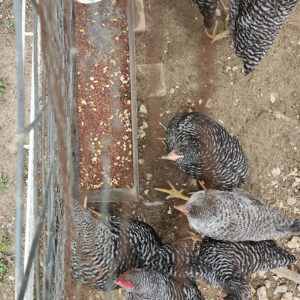
Next, I moved it to the chicken coop. If chickens devour maggots, scorpions, rotten mulberries, and other dead chickens, they’ll eat anything.
Anything, except expired soy yogurt.
As a last resort, I dumped it over the fence into our back pasture.
Later in the day I walked past the white lump. That’s when I realized this had passed the ultimate do-not-eat test – even the ants had not touched it.
Now ants in Texas–red ants, fire ants, sugar ants–will emerge from their underground labyrinths to devour every morsel of cookie or drop of lemonade. If none of God’s creatures will eat soy yogurt, why would I?
Here is a list of “things so bad even my chickens won’t eat it:”
- Chicken nuggets
- Processed cheese
- Candy corn
- Circus peanuts
- Store brand frozen ice milk
- Kale smoothies
- Healthy crackers
- Milo
- Anything made of soy, gluten-free flour, artificial sweetener, or partially hydrogenated vegetable oil.
I no longer turn to government experts to curate my diet. I need look no further than my chicken coop.