Oct 7, 2026–In our current world, there is one pathway to power: Have a platform.
To spread your influence, or at least share your ideas, you don’t require intelligence, talent, wealth, or insight. All you need is a platform.
Think about it. Throughout history, who have been the famous? Before social media, who were the influencers?
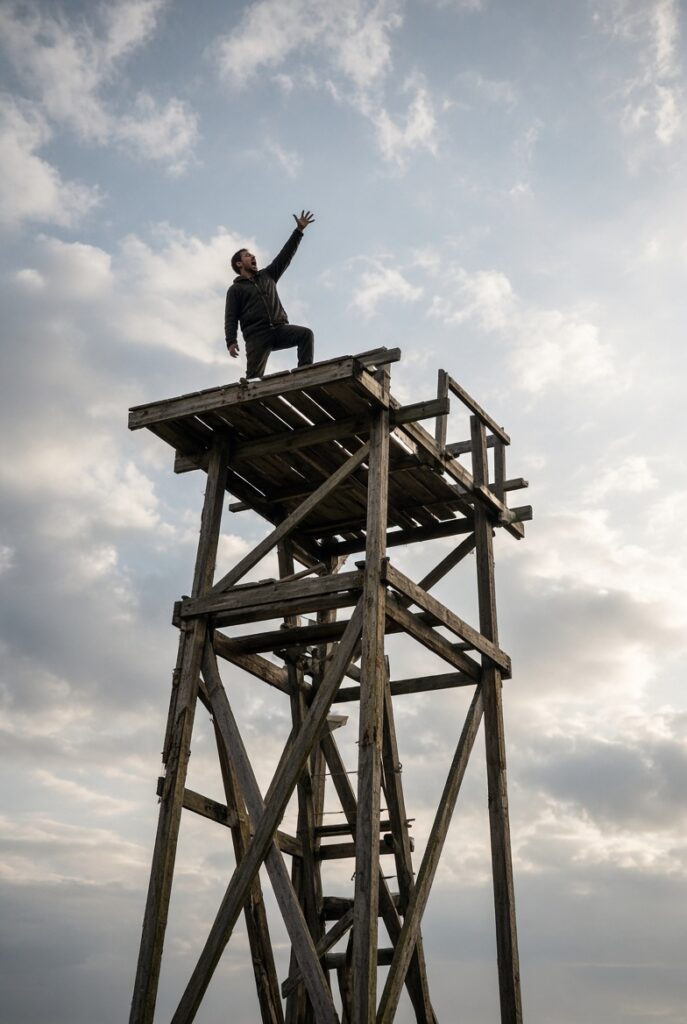
The first ones stood on a literal platform. Itinerant preachers, patent medicine salesmen, and proselytizers climbed on wooden crates and shouted their messages to the passing crowd.
When Gutenberg invented the printing press, suddenly you didn’t need to be a monk to write a book. Laymen pumped out piles of pamphlets, warning the populace of war or pimping a political cause. If Ben Franklin wanted to share his bon mots, he had to have them printed and placed in his poor almanac.
For decades these ink-stained pundits were secure in their power to influence the masses. They plied their trade liberally, drawing readers who would plunk down a farthing to read the latest gossip. If you mined for influence, you had to print it.
The rise of broadcasting made the process of platforming more widespread. Radio became the medium that made you a star. In those early years, veteran vaudeville performers were in demand for filling the airwaves. Jack Benny, Burns & Allen, Fred Allen, Will Rogers, and a host of hosts became famous and wealthy through their weekly virtual visits to people’s living rooms, peddling cigarettes, coffee, and colored gelatin.
Simultaneously, recording stars and movie stars rode the platforms of vinyl and celluloid to even higher fame and recognition.
Then came television. If you wanted to be famous, you had to be on TV. This path was narrow, because there were only three networks, and even they shut down at night. There just weren’t enough hours to make everyone famous.
The point is power continues to lie in the platform. I don’t belittle it. I remember vividly the tangible excitement of seeing my first words printed in the newspaper. Sure it was a small-town weekly, and was only a report of our local 4-H club, but by golly it carried my byline.
And I remember the first time I heard an original song of mine playing through my car radio. Again, it was a small-town radio station, in the middle of a weekday morning. But I pulled my car off the two-lane highway and literally danced in the street.
Small-time platforms for sure, but they held power. Without one, your brilliance will dissipate into the ether like a belch after brunch. But with a platform, not matter how limited or obscure, it assures you that someone, somewhere, will witness your brilliance and insight.
In these times, of course, every sentient being with a cell phone and ring light can create an original podcast and cast it before multitudes who didn’t ask for it. Even my elementary-aged grands have created their own podcasts.
Is this a good thing? I don’t know. To have any kind of influence in this world, you need to find your platform. But what happens when everyone has a platform? Then we are back to patent medicine conmen standing on the same dusty ground, shouting at each other.